How do you know if 35mm film is right for your next project?
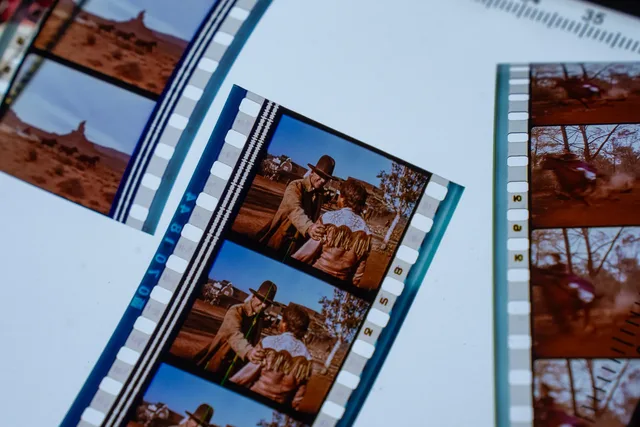
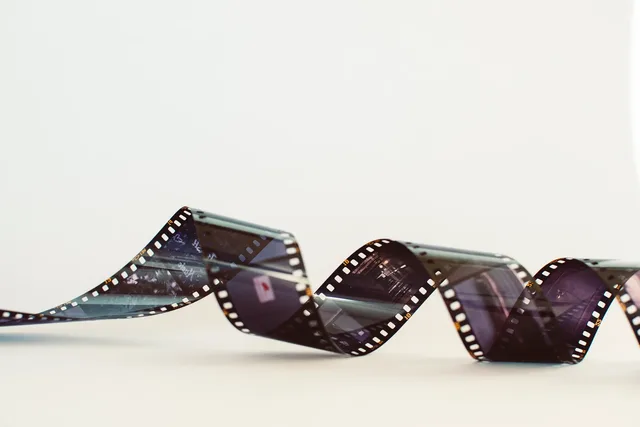
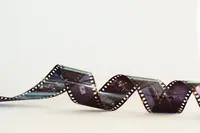
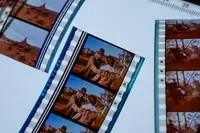
A 35mm film is a physical medium consisting of a strip of transparent plastic (celluloid) coated with a light-sensitive emulsion. It is used to capture still photos or video frames and project moving images.
In today's digital world, 35mm film has become a nostalgic and artistic choice for many photographers and filmmakers. It offers a unique texture and color palette that digital sensors simply cannot replicate.
If you are curious about film photography or want to understand its role in modern cinema, keep reading.
* 35mm film is the most common format for both photography and cinema. * This format was developed in the late 19th century and has evolved into various types, including color negative, slide, and black-and-white. * While digital technology has largely replaced film, it continues to be used by professionals for its aesthetic qualities and in film preservation efforts.
What is 35mm film used for?
Imagine a quiet afternoon in a small-town diner. The waitress, a woman in her late fifties with silver-streaked hair, slides a tray of coffee across the counter. You take out your camera, a bulky but beloved Leica, and snap a photo of the steam rising from your mug.
This, in essence, is the power of 35mm film. It is a medium that has been used to capture everything from family portraits to groundbreaking films.
The 35mm format is versatile. It is used for everything from amateur photography to high-budget Hollywood blockbusters. Its small size makes it ideal for handheld shots, while its wide availability ensures that you can find film, cameras, and developers almost anywhere.
However, 35mm film is not without its challenges. For instance, the cost of film and processing can be prohibitive for some. Additionally, the learning curve for mastering the technical aspects of shooting with film can be steep.
How does 35mm film work?
Picture a film director on the set of a classic Hollywood musical. The director is meticulously directing a scene where the lead actress is performing a complex dance routine. The cameraman, armed with a vintage Mitchell camera, loads a fresh roll of 35mm film into the magazine.
The magic of 35mm film lies in its chemical composition. When light hits the light-sensitive emulsion on the film strip, it causes a chemical reaction that records an image. This image is initially invisible, but when the film is developed, the latent image becomes visible.
The process of film photography involves several steps. First, you load the film into the camera. Then, you take your shots, being mindful of the exposure settings. After capturing your images, you take the film to a developer to be processed.
The developer chemically treats the film to bring out the images, followed by a fixing process to stop the reaction and make the film light-resistant.
However, the process of developing film requires specific chemicals and a darkroom environment. This can be a significant hurdle for those new to film photography.
What are the advantages of using 35mm film?
Consider a group of film enthusiasts gathered in a repurposed warehouse that now serves as a film studio. They are discussing the merits of analog film over digital technology. One enthusiast points out that 35mm film offers a unique, organic look to images.
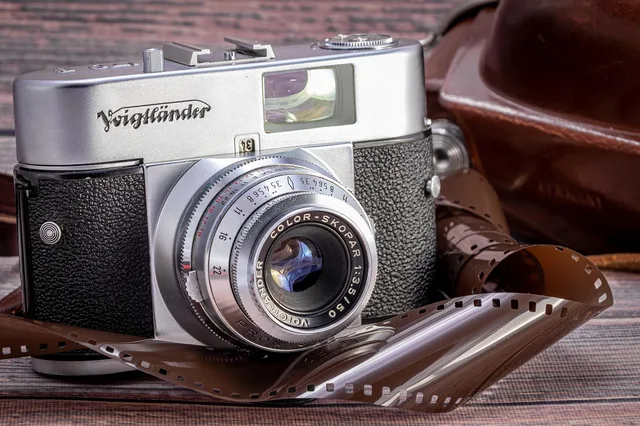
One of the primary advantages of 35mm film is its ability to produce images with a distinct texture and depth. Unlike digital images, which can sometimes look flat or overly processed, film images have a tangible quality.
Another advantage is the creative constraint that film imposes. Because you cannot preview your images immediately, you must trust your settings and composition. This can lead to more thoughtful and deliberate photography.
However, this lack of instant feedback can also be a source of frustration for some photographers.
What are the disadvantages of using 35mm film?
Think of a busy newsroom in the 1950s. A photographer is frantically trying to capture breaking news, but the delay in developing film means he misses a crucial moment. This scenario highlights one of the main disadvantages of 35mm film.
The primary disadvantage of 35mm film is its impracticality for certain situations. The delay between taking a photo and seeing the result can be a significant drawback, especially in fast-moving or time-sensitive situations.
Additionally, the cost of 35mm film can be high, especially for those shooting frequently. You must consider the cost of the film itself, as well as the cost of processing and developing.
However, for many photographers, the unique qualities and artistic potential of 35mm film outweigh these disadvantages.
Can you watch movies on 35mm film?
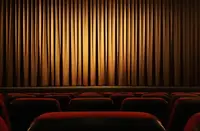
Imagine sitting in a dimly lit theater, the scent of popcorn filling the air. The film begins to unspool, casting images onto the screen. These images are being projected from a strip of 35mm film.
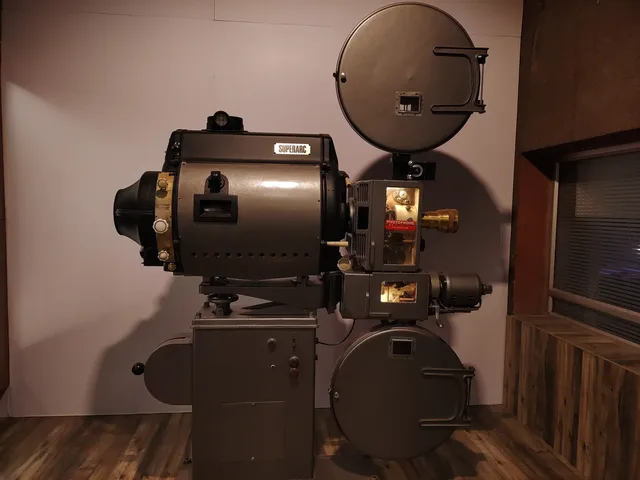
Yes, 35mm film is indeed used to project movies. It is the standard format for film projection, used in theaters around the world. The film is loaded into a projector, which shines a beam of light through the film to create moving images.
However, with the rise of digital cinema, the use of 35mm film for movie projection is becoming less common. Many theaters have transitioned to digital projectors, which offer greater convenience and flexibility.
FAQ
What film did Martin Scorsese make using 35mm?
Martin Scorsese has directed numerous films using the 35mm format. One of his most notable works is "The Departed," which was shot on 35mm film.
What is the oldest film still in existence?
The oldest surviving film is "Roundhay Garden Scene," an 1888 black-and-white silent film shot by Louis Le Prince. It consists of two seconds of moving images.
How do you know if 35mm film is right for your next project?
Deciding whether to shoot on 35mm film instead of digital requires a practical evaluation of your project’s goals, budget, and technical needs.
Start by asking yourself what kind of aesthetic you’re after: film offers a distinct grain, color saturation, and lighting quality that digital sensors cannot replicate, particularly in low-light conditions or when shooting in natural light.
If your project is a low-budget indie film or a personal documentary, the added cost of film stock and processing may be worth the artistic payoff. For high-profile productions, however, the trade-off is less about artistry and more about logistics.
Studios often use digital cameras for their efficiency and scalability, but they might incorporate 35mm film for specific scenes—like a dramatic monologue or a key action sequence—to lend authenticity or emotional weight.
Ultimately, the decision comes down to balancing the unique visual qualities of film against the practical constraints of your production.
What are the trade-offs between shooting on film and using digital cameras?
The choice between 35mm film and digital cameras isn’t a matter of pure preference—it’s a series of trade-offs that affect every stage of your production. On the creative side, film forces you to think differently about exposure, composition, and lighting.
Without the immediacy of digital previews, you develop a sharper eye for framing and a deeper understanding of how light interacts with your subject. Digital cameras, on the other hand, offer unparalleled flexibility and speed.
They allow for instant reviews, easy adjustments, and seamless integration with modern editing software, which can be a game-changer for directors who need to iterate quickly. Technically, digital also wins in terms of storage and workflow.
A single digital card can hold hundreds of shots, whereas a roll of 35mm film limits you to 24 frames. This can be a significant disadvantage during a long shoot or in a situation where you need to capture a lot of coverage.
However, the cost of digital storage is a fraction of that for film processing, and the environmental impact is far lower. For filmmakers who prioritize sustainability, digital is the clear winner.
Yet, for those who are drawn to the tactile, imperfect beauty of analog, the trade-offs are well worth the challenge.
How can you evaluate and incorporate film into a digital shoot?
If you’re working on a digital shoot but want to incorporate the look of 35mm film, there are several strategies you can use to achieve the
- How do you know if 35mm film is right for your next project?
- What are the trade-offs between shooting on film and using digital cameras?
- How can you evaluate and incorporate film into a digital shoot?
Wikipedia: Martin Scorsese Based on the retained excerpt mentioning Pan African Federation of Filmmakers: In 2017, Scorsese also introduced The African Film Heritage Project (AFHP), which is a joint initiative between Scorsese's non-profit The Film Foundation, UNESCO, Cineteca di Bologna, and the Pan African Federation of Filmmakers (FEPACI).
Related




Comments 0