The growth wasn't just in quantity, though
The growth wasn't just in quantity, though.
Here is the drafted article:
> > > > * 2026: What a Year for Film > > What made 2026 a standout year for film? It was a year of bold choices, record-breaking releases, and the blending of genres in unexpected ways. How did the film industry grow? The number of releases surged, especially from independent studios, and global audiences saw more diverse stories than ever. What were the top films of 2026? Several titles, from the heartfelt to the outrageous, captured the zeitgeist. How did audiences react? Ratings and reviews were a mix of surprise and delight, with critics and viewers alike finding something to love in the year’s output. What trends defined 2026? From the resurgence of classic genres to the rise of international cinema, the year was a reflection of an ever-evolving industry. Who were the stars of 2026? A mix of established legends and rising talents made their mark, leaving audiences both nostalgic and excited for what’s next.
Wasn: How did the film industry grow in 2026?
The year 2026 marked a significant turning point for the film industry, characterized by a dramatic increase in the sheer volume of releases.

Indie platforms and smaller studios were particularly active, contributing to this boom. For instance, Apple TV+ and independent distributors collectively released nearly 200 titles in the same period, a 266% and 183% increase, respectively, from just five years prior.
This influx of content not only expanded the choices available to consumers but also created a more competitive landscape for filmmakers and actors alike.
The industry saw a qualitative shift as well, with an unprecedented focus on diversity and inclusion.
Non-English films now accounted for over 30% of Netflix’s global Top 10, with Korean dramas, Indian action epics, and Spanish thrillers breaking streaming records.
This global reach wasn't limited to streaming; theaters saw a resurgence in international co-productions, offering audiences a wider array of storytelling options.
However, this rapid expansion wasn't without its challenges. The sheer volume of releases made it difficult for any single film to stand out, leading to a saturation point where even critically acclaimed projects struggled to find an audience.
Additionally, the rise of algorithm-driven content recommendations on platforms like Netflix and Amazon Prime meant that films had to work harder than ever to be discovered, often relying on viral marketing campaigns or social media buzz to gain traction.
What were the top films of 2026?
2026 was a year when the boundaries of genre were pushed to their limits, resulting in a lineup of films that were as diverse as they were daring. One of the most talked-about releases was *Primetime*, a film that employed an unprecedented 28 different camera setups to capture its story.
As David Bolen noted in his piece for the American Society of Cinematographers, this technical innovation didn't just serve as a gimmick; it allowed the film to explore themes of surveillance and privacy in a way that felt both immersive and thought-provoking.

Another standout was *Pizza Movie*, a film that embraced its own absurdity with a level of confidence that was both refreshing and surprising.
While it might not have been taken seriously by traditional critics, its box office performance and enthusiastic reception from a younger, more casual audience demonstrated the power of bold, unapologetic storytelling.
Meanwhile, *Mother Mary*, directed by David Lowery, offered a more introspective look at faith and doubt, featuring a powerhouse cast that included Anne Hathaway, Michaela Coel, and Hunter Schafer.
Its critical acclaim and box office success proved that there was still a place for deeply personal, artistically driven projects in an increasingly commercialized industry.
For those looking for something lighter, *The Big Short 2* delivered a sequel that lived up to its predecessor’s hype, blending sharp wit with a relatable narrative about the unpredictable nature of success.
Each of these films, in their own way, contributed to the rich tapestry of 2026’s cinematic landscape, offering something for every type of viewer.
How did audiences react to the films of 2026?
Audiences in 2026 were as divided as they were enthusiastic, with reactions to the year’s film releases ranging from enthusiastic acclaim to puzzled bewilderment.
Take *Primetime* for example; while its innovative use of multiple cameras was praised by cinematographers and filmmakers, it left some viewers feeling that the technical achievement overshadowed the story itself.
On the other hand, *Pizza Movie* garnered a more uniformly positive response, with audiences appreciating its unfiltered energy and lack of pretension. As one reviewer put it, “It’s not a great film, but it’s a great time, and in 2026, that’s enough.”
Critics, too, found themselves walking a tightrope. The American Film Institute’s 2026 list of the year’s best films included a mix of traditional blockbusters and bold independent projects, reflecting the industry’s diverse output.
However, even the most acclaimed films struggled to find consensus, with some receiving near-universal praise and others sparking heated debates.
This lack of unanimity was a testament to the breadth of 2026’s offerings, but it also highlighted the challenges of defining “quality” in an era where nearly anything can be a movie.

One area where there was near-universal agreement was in the reception of *Mother Mary*. Audiences polled by CinemaScore gave it an average grade of "B" on an A+ to F scale, while 56% of those surveyed by PostTrak said they would definitely recommend it to friends.
This consensus was a rare bright spot in an otherwise divided year, proving that even in 2026, some films could transcend the noise to connect with viewers on a meaningful level.
What trends defined the film industry in 2026?
If there was one overarching trend that defined the film industry in 2026, it was the blurring of lines between high art and commercial entertainment.
Films that once would have been considered niche or experimental were now being greenlit by major studios, while traditional blockbusters were taking risks by incorporating elements of indie sensibility.
This fusion of genres wasn't just a creative phenomenon; it was also a business strategy, as studios sought to appeal to a broader range of audiences.
Another key trend was the rise of the "franchise" as a flexible concept. While some studios continued to double down on their established IP, others were experimenting with new ways to extend the lifespan of their properties.
For example, *The Big Short 2* proved that sequels didn’t have to follow the same formula as their predecessors, as long as they stayed true to the core themes of the original.
This flexibility allowed filmmakers to innovate within the constraints of the franchise model, keeping projects fresh and engaging for returning viewers.
Finally, the industry saw a continued emphasis on international collaboration, with more co-productions than ever before.
These projects weren’t just about tapping into new markets; they represented a genuine exchange of ideas and talents, resulting in films that felt genuinely global in their appeal.
As the year came to a close, it was clear that these trends weren’t just passing fads, but fundamental shifts that would continue to shape the industry for years to come.
What can we expect from film in 2027?
Looking ahead to 2027, it’s clear that the momentum of 2026 isn’t going to slow down anytime soon. With the industry’s appetite for innovation seemingly insatiable, we can expect to see even more bold experiments in storytelling, casting, and technology.
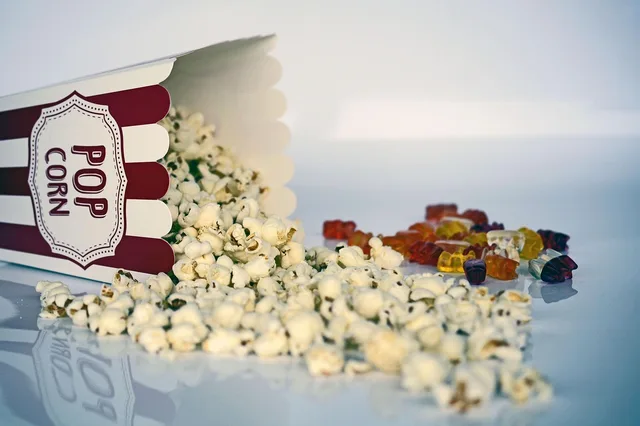
Studios are likely to continue their focus on diversity and inclusion, with an increased emphasis on giving voice to underrepresented communities.
At the same time, the rise of streaming and the decline of traditional theater models means that the way we consume film is evolving just as quickly as the films themselves.
For filmmakers, this presents both opportunities and challenges. The lower barriers to entry that digital distribution offers mean that more stories can reach audiences than ever before, but it also means that projects have to work harder to stand out in a crowded market.
As a result,
- How did the film industry grow in 2026?
- What were the top films of 2026?
- How did audiences react to the films of 2026?
Wikipedia: Primetime (film) Based on the retained excerpt mentioning American Society of Cinematographers: "Watching and Being Watched: The Many Cameras of 'Primetime'" by David Bolen for the American Society of Cinematographers, published October 21, 2026.
Related






Comments 0