Film tech latest innovations how early gauges changed
"The first ever commercial screening took place on December 28, 1895, it consisted of ten films and lasted roughly 20 minutes."
Modern cinema is built upon a foundation of rapid technical shifts, from the standardization of film gauges to the advent of digital soundtracks. This article explores how these early innovations shaped the industry and how they transitioned from physical celluloid to the digital era.
You will learn about the standardization of the 35mm format, the massive scale of early global production, and the shift toward digital audio.
How did early film gauges change the industry?
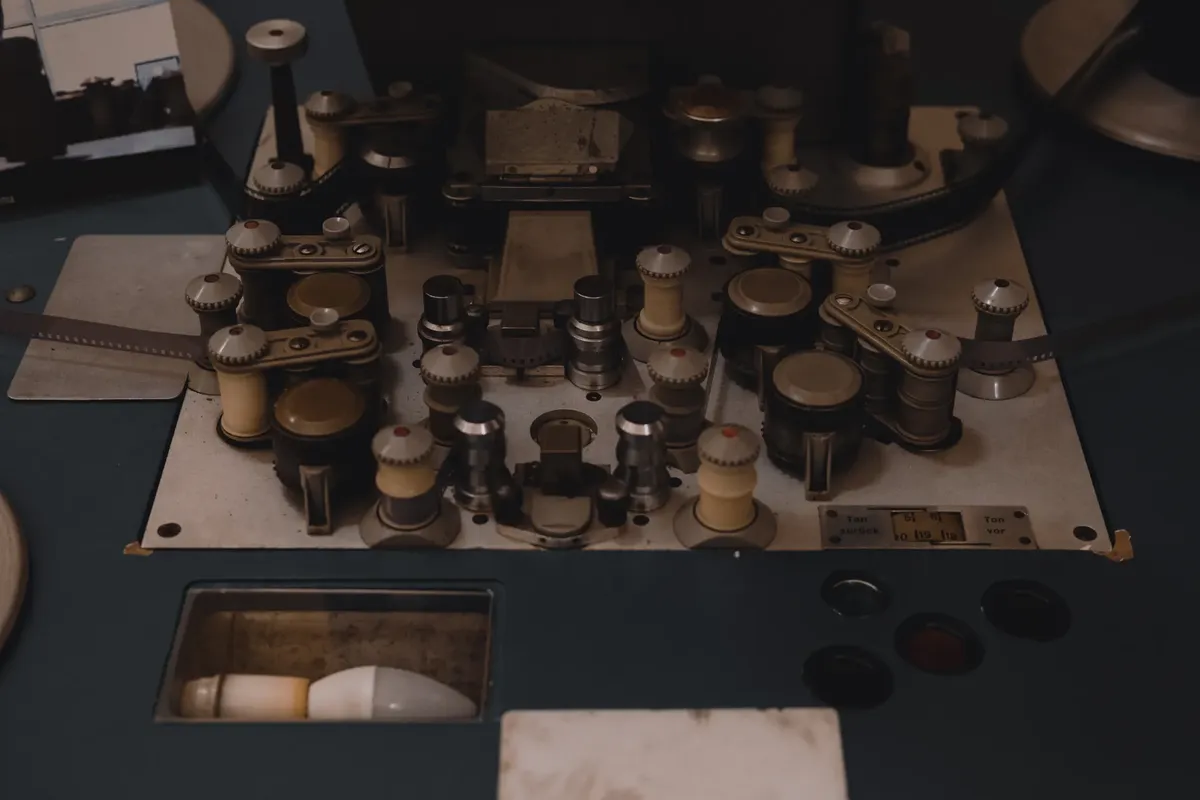
A technician adjusts a heavy metal reel, sliding it into a wooden projector to ensure the light hits the celluloid perfectly. In 1909, 35mm became the internationally recognized theatrical film gauge.
This standardization allowed for much easier distribution and consistent viewing experiences across different theaters.
This specific measurement provided a common language for filmmakers and projectionists globally. Before this, varying sizes made it difficult to maintain a consistent quality in motion pictures. The move toward a unified standard helped the industry grow from local curiosities into a global medium.
What was the scale of early global film production?
A massive warehouse in 1913 is filled with crates of film canisters, ready to be shipped to theaters in distant cities.
As reported by the Association of German Cinémathèques, M (1931) was voted the best German film of all time with 306 votes in a 1994 poll of 324 film journalists, film critics, filmmakers, and cineastes organized by the Association of German Cinémathèques.
In 1913, French films occupied 85% of the screens worldwide, with Pathé alone accounting for around 50% of the global market through its extensive network of subsidiaries, production, and distribution channels.
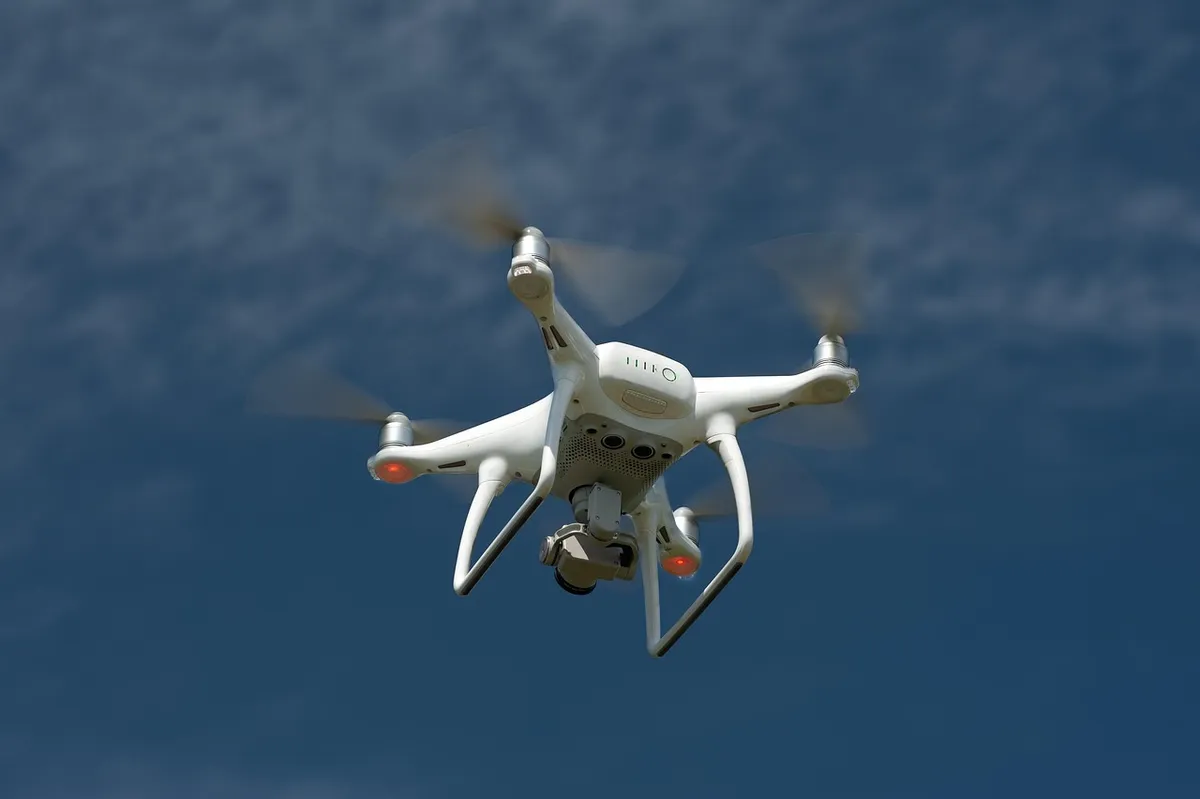
This dominance shows how much control a single entity could exert over the visual culture of the era. The scale of these networks facilitated the rapid spread of cinematic storytelling. Such massive output helped establish the very concept of a global film market.
The expansion of the industry continued as production centers shifted. By the 1920s, the United States reached what is still its era of greatest-ever output, producing an average of 800 feature films annually, or 82% of the global total.
This period solidified the dominance of American cinema in the international landscape.
How did color and sound contribute to film tech latest innovations?
A projectionist carefully checks the color tinting on a hand-painted strip of film to ensure the hues look natural. Around 80 percent of the films of the 1890s to the 1920s had colours.
While not the vibrant digital color we see today, these early methods brought a new dimension of visual storytelling to the screen.
The transition from silent, monochromatic films to more sensory experiences was a gradual process. As technology improved, the ability to capture color and sound became the primary driver for new equipment. These developments changed how audiences perceived reality on screen.
The move toward digital integration was a major turning point in cinema tech advances. Dick Tracy (1990) became the first 35 mm feature film with a digital soundtrack. This represented a massive leap in how audio was synchronized with the visual elements of a movie.
What was the impact of filmmaking tech impact on storytelling?
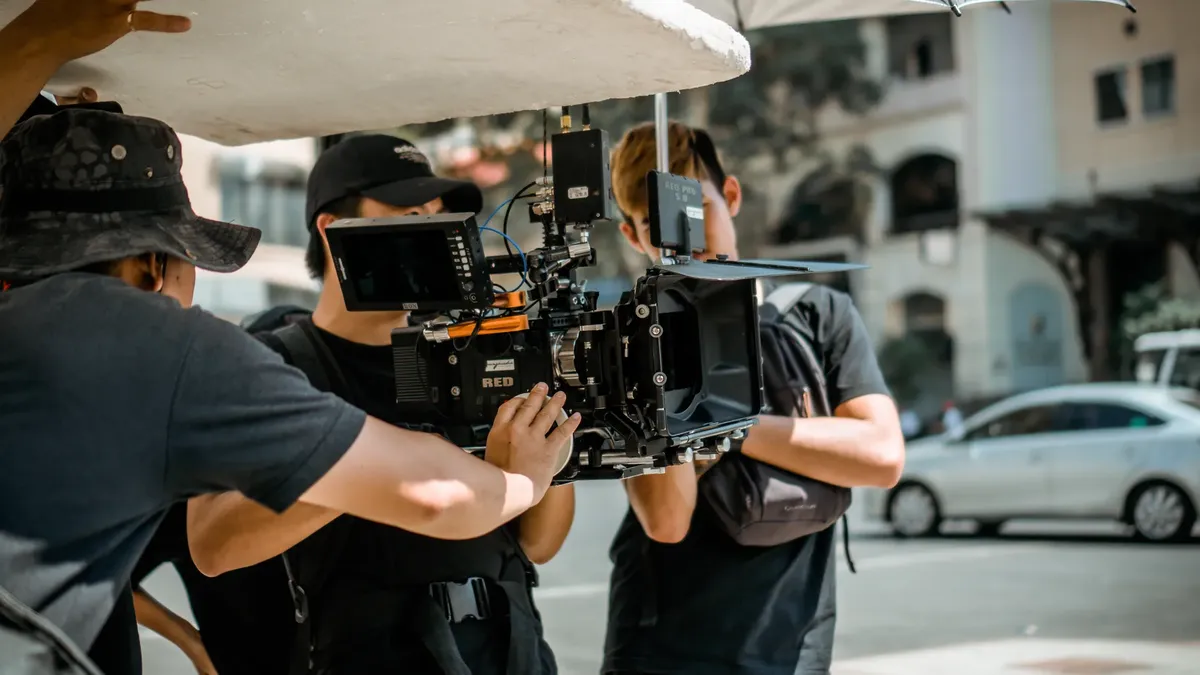
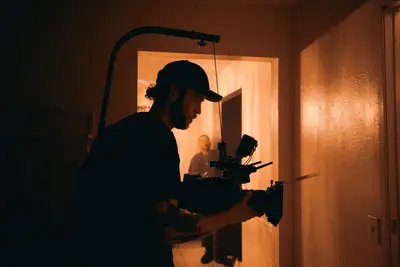
A director looks through a viewfinder, adjusting the focus to capture a specific moment in time. The shift in technology allowed for more complex narratives and visual styles. New tools enabled filmmakers to push the boundaries of what could be captured on a single reel.
The ability to manipulate light, sound, and motion became easier with better equipment. This led to the development of genres that relied heavily on visual spectacle. As tools became more precise, the potential for creative expression expanded.
Modern film tools have continued this trajectory, moving from physical reels to digital files. This evolution has not only changed how films are made but also how they are preserved. The history of cinema is essentially a history of these technical breakthroughs.
How do we see the future of film production in these changes?
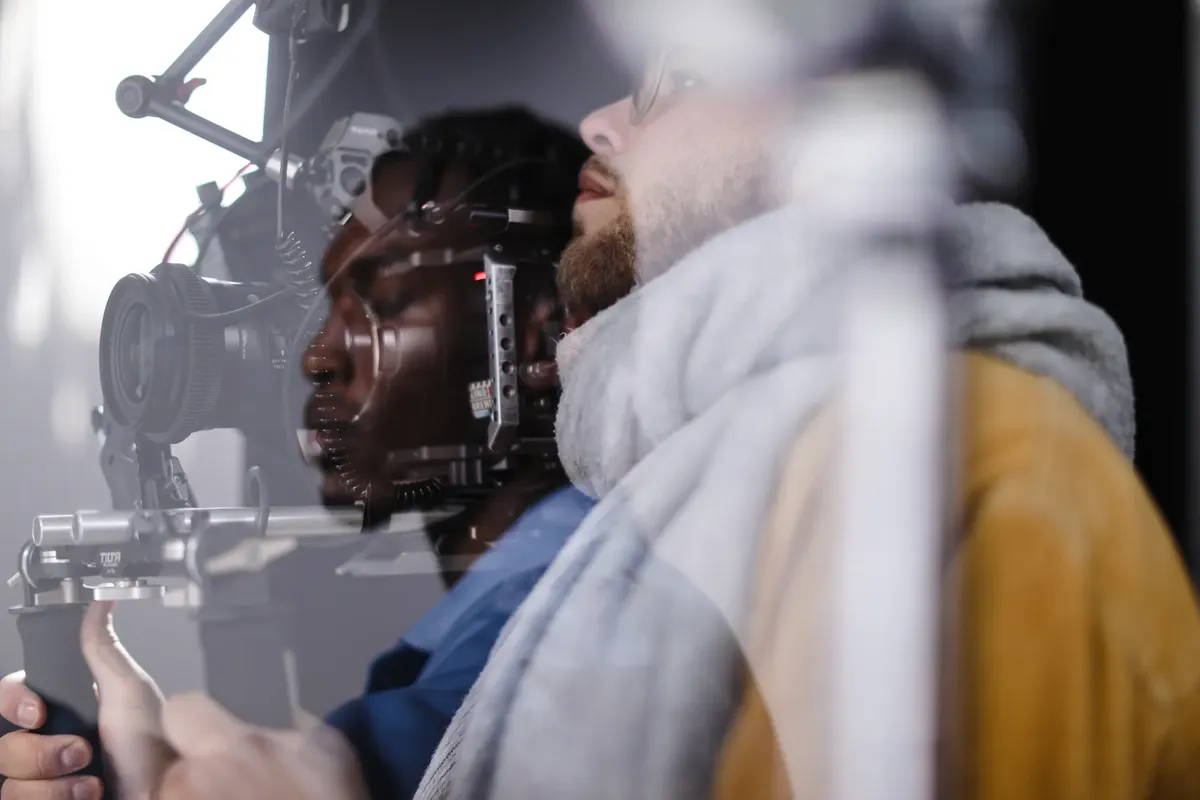
A technician in a modern studio works with high-resolution digital sensors, much different from the heavy cameras of the past. The constant cycle of innovation ensures that the medium never remains static. Each new tool brings a new way to tell a story.
The transition from the physical to the digital has redefined the industry. While the tools have changed, the goal of capturing human experience remains the same. The legacy of early innovators is seen in every frame of modern cinema.
| Era | Key Development |
|---|---|
| 1909 | 35mm becomes the standard gauge |
| 1990 | First 35mm film with a digital soundtrack |
I remember watching old films and realizing how much the standardization of the 35mm format changed everything for the audience.
A limitation in understanding these changes is that early technical documentation often lacks the specific context of how much these shifts affected individual viewers in remote regions.
The subject here is Film tech latest innovations.
The same subject is also called New movie making tech.
This part also covers How tech changes movies.
This part also covers Visual effects in cinema.
Related
- Filmmaking shot techniques: Guide to film formats
- Film budget management guide: Tips for production success
How did the global scale of production affect distribution? 1. The massive output from centers like France in 1913 facilitated the rapid spread of cinematic storytelling across continents. 2. Pathé's extensive network of subsidiaries, production, and distribution channels allowed a single entity to exert significant control over visual culture. 3. This scale of production helped establish the very concept of a global film market that existed before widespread digital connectivity.
What conditions led to the shift toward digital audio? 1. The gradual process of moving from silent, monochromatic films to more sensory experiences drove technological advancement. 2. As equipment improved, the capability to capture both color and sound became a primary impetus for developing new gear. 3. The need to synchronize audio with visual elements was dramatically advanced by the introduction of the digital soundtrack in a feature film.
The first commercial screening demonstrated the initial public reception to moving pictures, lasting roughly 20 minutes with ten films.
A caution exists regarding the early methods of color application, as the hand-painted strips did not achieve the vibrant hues seen in contemporary digital color.
The standardization of the 35mm format provided a common language that allowed for easier distribution among theaters worldwide.






Comments 0