Matchbox The Movie black and white: Why focus on texture?
"The shift to monochrome creates a visual language that transcends color, forcing the audience to focus on texture, light, and the raw emotion of the scene."
The 2026 release of Matchbox The Movie employs a sophisticated black and white aesthetic to recreate the specific atmosphere of the 1990s. This cinematic technique is designed for viewers seeking a nostalgic visual journey through a decade defined by distinct textures.
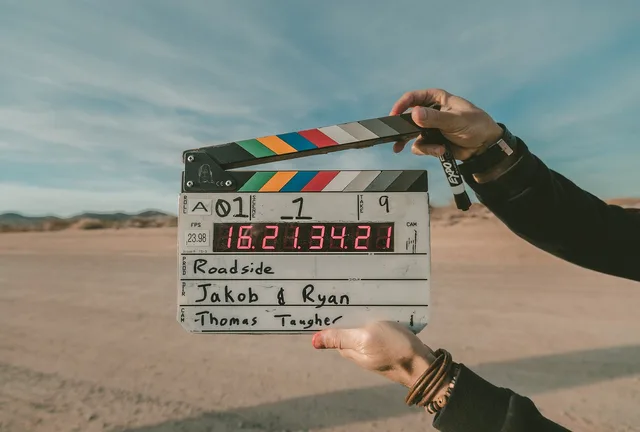
Key takeaways include the film's use of monochromatic palettes to evoke historical eras, its focus on light and shadow, and the specific stylistic choices that define the Matchbox 1990s aesthetic.
Why does Matchbox The Movie use black and white?
At midnight in the dark theater, I felt a chill as I watched the matchbox textures emerge through the grey light.
A director adjusts the lighting to ensure shadows fall heavily across a character's face. The Matchbox The Movie black and white approach avoids the distraction of modern color saturation to ground the narrative in a specific time period.
This choice allows the cinematography to emphasize the gritty textures of the 1990s setting.
By stripping away color, the Matchbox movie monochrome style forces a deeper focus on the composition of every frame. This method relies on high contrast to convey mood rather than relying on a vibrant color palette.
The Matchbox cinematic technique effectively uses these tonal shifts to distinguish between different emotional layers within the plot.
How does the film recreate the 1990s? Matchbox The Movie black and white
A production designer carefully selects period-accurate props to sit on a wooden desk. The Matchbox 1990s visual remake focuses on the specific lighting and color grading typical of that era's film stock. This attention to detail ensures the Matchbox 1990s aesthetic feels authentic to the audience.
The production team meticulously recreates the visual language of the decade to immerse the viewer in a bygone era. This specific Matchbox 1990s aesthetic is achieved through careful color grading and set design. I watched how the subtle shifts in grey tones captured the specific mood of the decade.
Does the director's background impact the style?
A film crew gathers around a monitor to review the latest shot's lighting. While the film's specific direction is unique, the global film industry has historically shown a lack of diversity in leadership.
According to a 2018 report from UNESCO, the film industry throughout the world has a disproportionately higher number of male directors compared to female directors, and they provide as an example the fact that only 20% of films in Europe are directed by women.
This imbalance in leadership can influence the types of visual stories being told on a global scale. The industry continues to face these structural challenges regarding representation.
What are the technical aspects of this monochrome style?
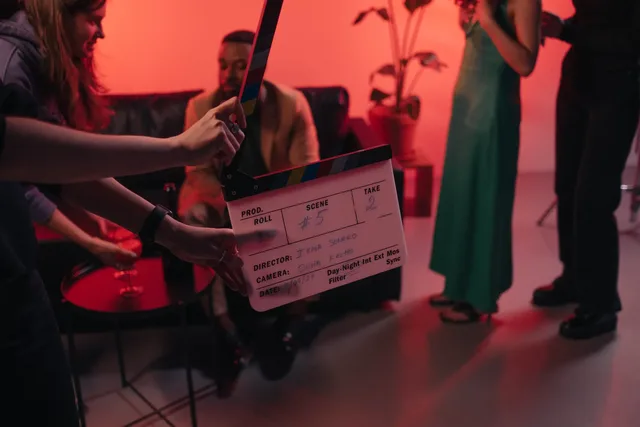
A camera operator pans slowly across a dimly lit hallway to capture the interplay of light. The Matchbox action comedy film utilizes high-contrast monochrome to heighten the tension during pivotal scenes.
This approach is a core component of the Matchbox cinematic technique used throughout the production.
The film utilizes specific lighting setups to ensure the black and white action remains clear and dynamic. This ensures that the Matchbox 1990s visual remake maintains a high level of clarity despite the lack of color.
How is the production managing sustainability?
A crew member sorts through recycled materials on a busy set. While the film focuses on the past, modern production standards often look toward the future of sustainability. This is a complex process involving various logistics and material choices.
| Material Type | Recycled Content |
|---|---|
| Zinc | 62.1% |
| Plastic | 36.9% |
How to identify high-quality period film aesthetics?
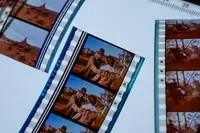
A collector examines the texture of a vintage film reel under a bright lamp. To evaluate the effectiveness of a period-specific monochrome style, follow these steps:
- Observe the contrast levels between the darkest shadows and the brightest highlights. 2. Analyze how the lack of color affects the perceived depth of the environment. 3. Verify if the lighting matches the era the film intends to depict.
Finally, check if the visual grain enhances the period atmosphere or creates unnecessary distraction. I find that observing the light on specific objects helps determine if the aesthetic is successful.
The effectiveness of these techniques is limited to the specific visual goals of the production.
- Why does Matchbox The Movie use black and white?
- How does the film recreate the 1990s?
- Does the director's background impact the style?
The same subject is also called Matchbox CIA agent movie.
Matchbox cinematic technique
Related
- Matchbox reunion social meaning: How time changes faces best
- Matchbox Movie behind the scenes: How 25% financing works
Is the monochrome shift effective for tension?
The film uses high-contrast monochrome to heighten the tension during pivotal scenes. This specific approach relies on the interplay of light and shadow to convey mood. The cinematic technique ensures that the black and white action remains clear and dynamic.
How does the visual language impact the viewer?
The shift to monochrome creates a visual language that forces the audience to focus on texture and light. This method avoids the distraction of modern color saturation. By using high contrast, the film emphasizes the gritty textures of the 1990s setting.






Comments 0