35mm film shooting techniques guide for best visual style
"The texture of celluloid is the heartbeat of the cinematic experience, capturing a depth of light that digital sensors struggle to replicate."
35mm film shooting techniques rely on the physical properties of light-sensitive emulsion to create depth, grain, and color saturation that define the cinematic look.
This guide is for filmmakers and cinephiles interested in how specific film gauges influence visual style, noting that the method requires precise chemical handling and mechanical stability.
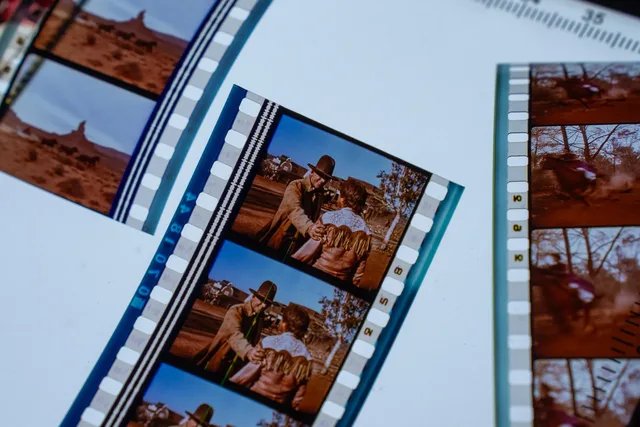
We will explore the impact of film stock on cinema, production constraints, and the visual legacy of the format. 1. The relationship between grain structure and image texture. 2. How film gauge effect on genre dictates camera movement. 3. The mechanical requirements of 35mm camera systems. * The transition from analog to digital workflows.
How does 35mm film shooting techniques change the image?
A cinematographer adjusts the lens, feeling the weight of the heavy camera as the motor begins its rhythmic whirring. The 35mm film shooting techniques involve managing the specific grain structure that occurs when light hits the silver halide crystals on the strip.
This physical reaction creates a natural texture that defines the visual identity of classic cinema.
The film stock impact on cinema is most visible in the organic way shadows transition into highlights. Unlike the clinical precision of digital sensors, 35mm provides a soft roll-off that mimics human perception.
This characteristic allows directors to use lighting to create a sense of atmosphere that feels grounded in reality.
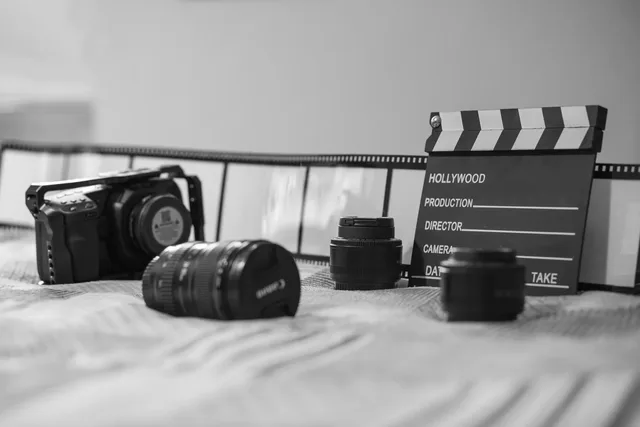
- Adjust the camera's aperture to manage depth of field. 2. Select a specific lens mount to control distortion. 3. Set the shutter angle to manage motion blur.
How does film gauge affect the genre?
An editor sits in a dark room, watching a sequence where the fine grain of a noir film adds a layer of grit to the streetlights.
The film gauge effect on genre is evident in how different formats suggest specific moods, such as the high-contrast shadows of a thriller or the soft, romantic hues of a period piece.
The cinematic technique film size dictates the scale of the composition and the available field of view. Filmmakers choose 35mm when they want to leverage its specific aspect ratios to frame a story.
Using these 35mm film production methods, creators can manipulate the perceived depth of a scene through the physical thickness and sensitivity of the medium.
In this sequence, the first step is the most crucial.
How does film stock impact on cinema through production?
A technician carefully loads a fresh roll of celluloid into the magazine, checking the tension of the film path. Understanding how film stock changed movie making requires looking at the chemistry involved in every take.
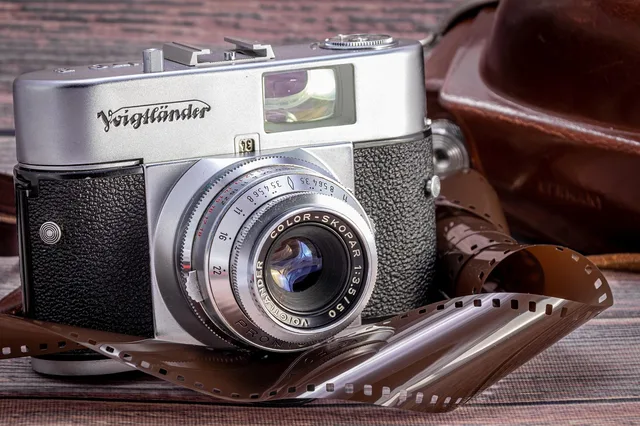
The physical presence of the film necessitates a slower, more deliberate approach to shooting compared to instant digital playback.
The workflow for 35mm is inherently different because the image is not visible until the lab processes the negative. This creates a period of anticipation and requires strict adherence to exposure settings.
The film format influence on film style is a direct result of these technical limitations, forcing directors to commit to their visual choices during the shoot.
Can I use these methods on modern projects?
A director stands on a set, comparing the look of a digital monitor to a scanned film frame. To apply these principles to a modern production, follow these steps:
- Select a high-quality film stock that matches the desired grain density for your genre. 2. Calibrate your camera's light meter specifically for the ISO of the chosen emulsion to ensure accurate exposure. 3. Establish a rigorous lab workflow to manage the development and scanning of the negative.
After completing these steps, check the scanned dailies to ensure the grain structure aligns with your intended aesthetic. I have observed that even when shooting digitally, mimicking these analog characteristics can enhance the narrative weight of a scene.
What are the limits of 35mm?
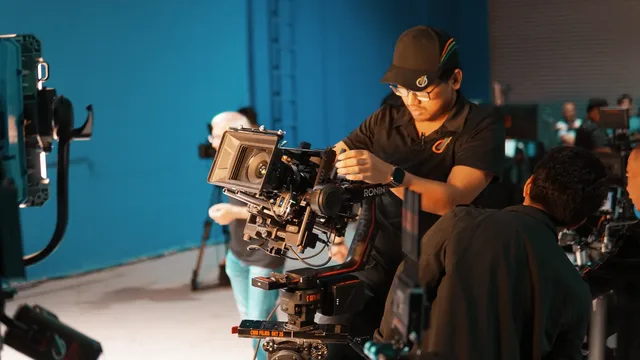
A camera assistant wipes a smudge off a lens, knowing that a single speck of dust can ruin a shot. The use of 35mm is limited by the high cost of raw stock and the specialized equipment required for processing.
| Feature | 35mm Film | Digital Sensor |
|---|---|---|
| Texture | Organic Grain | Pixel Grid |
| Workflow | Delayed Results | Instant Playback |
The necessity of chemical processing means that immediate visual feedback is not established for the crew.
how film stock changed movie making
Related
- Assassin movie reviews: Best guide to assassin movie reviews
- What is the rating for Resurrection Man: The Red?
Should I worry about mechanical stability?
Mechanical stability is a critical condition for 35mm film shooting techniques because the camera motor must maintain a consistent rhythm. If the camera lacks stability, the physical movement of the celluloid through the gate can lead to inconsistent exposure or frame issues.
This requirement makes the process more demanding than digital alternatives.
The comparison between analog and digital workflows highlights the difference in immediate feedback. While digital sensors allow for instant playback, the 35mm workflow requires waiting for lab processing to verify the image.
This delay means any mechanical error or exposure mistake is only discovered after the shoot has progressed.
A technician must also exercise caution regarding chemical handling. Because the image relies on silver halide crystals, the precision of the development process is essential to preserve the intended grain structure and color saturation.
Any deviation in the lab can alter the organic texture that defines the cinematic look.
Wikipedia: List of films voted the best (full) Based on the retained excerpt mentioning Estonian Association of Film Journalists: Autumn Ball (2007) was voted the best Estonian film of all time with 29 votes in a 2011 poll of 33 film writers and film scholars organized by the Estonian Association of Film Journalists.




Comments 0