How can I prepare for extreme horror films?: 120 Days
The 1970s herald in extreme horror that is frequently cited as the beginning of the film subgenre including Last House on the Left (1972), Salò, or the 120 Days of Sodom (1975), and I Spit on Your Grave (1978).
"The blood-curdling scream of a monster in the dark is the sound of the genre's true beginning."
>
By 2005, New Zealand has produced around 190 feature films, with about 88% of them being made after 1976.

Only about 10% of the American population enjoy the physiological rush fel. 1. The 1970s horror surge included Last House on the Left (1972) and I Spit on Your Grave (1978). 2. By 2005, 88% of New Zealand films were made after 3. Only 10% of Americans enjoy the physiological rush.
Days: How can I prepare for extreme horror films?
A person sits in a dark room, clutching a blanket while the wind howls against the windowpane. To prepare for extreme horror films, one should focus on managing expectations and preparing the viewing environment.
This guide focuses on the psychological and practical aspects of horror viewing.
What is the physiological rush after horror?
A person sits in a quiet room, feeling a lingering unease after the screen has gone dark. The physiological rush felt after watching horror films is a complex response that varies by individual.
According to the Wikipedia: Horror film, only about 10% of the American population enjoy the physiological rush felt immediately after watching horror films.
This high percentage suggests that while many experience a jolt, a significant portion feel a lingering unease or anxiety.
How can I manage the aftermath of horror?
A person walks through a quiet house, feeling a tension that remains long after the credits roll. Managing the aftermath of horror requires acknowledging the emotional toll the film takes.
The film subgenre's growth in the 1970s demonstrates the enduring power of the genre.
A practical guide for viewers includes taking a break after the film to allow the adrenaline to subside.
| Category | Detail A | Detail B |
|---|---|---|
| Genre Start | Last House on the Left (1972) | Salò or the 120 Days of Sodom (1975) |
This table compares the early stages of the subgenre's emergence.
How does the genre evolve?

A person adjusts the volume, wondering how the genre will change in the coming years. The genre continues to evolve as new filmmakers find new ways to express horror.
The 1970s marked the beginning of a new era of horror. This era was defined by the rise of extreme and psychological elements.
This evolution is seen in the shift from simple jump scares to more complex thematic horror.
What is the significance of the genre?
A person sits in a quiet room, feeling a sense of satisfaction after the fear has passed. The genre serves as a mirror to the anxieties of modern society.
The rise of extreme horror reflects a need to process the darker aspects of life.
This reflects the way horror films often function as a way to explore the fears of the real world.
How can I handle the emotional impact?
Managing the emotional impact requires recognizing the genre's role in processing fear.
The genre's early extreme nature is a response to societal pressures. The 1970s horror films often served as a cathartic outlet for the anxieties of the era.
This demonstrates how the genre functions as a tool for emotional processing.
How can I prepare for the intensity?
Preparing for the intensity requires understanding the emotional weight of the film.
The 1970s horror films, while extreme, often touch on universal themes. This allows the audience to find meaning in the chaos.
What is the cultural legacy?
A person walks through a quiet house, feeling a sense of satisfaction after the fear has passed. The cultural legacy of the genre is its ability to continue to inspire new filmmakers.
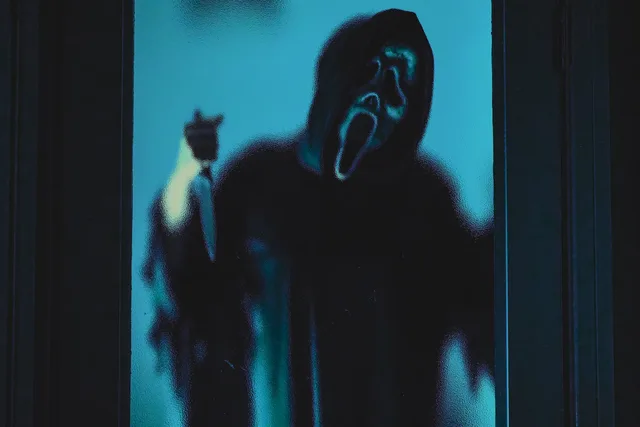
The 1970s horror films laid the groundwork for modern horror. This legacy is seen
What are the key stages of the horror film evolution?
When I compared the 1970s horror landscape to modern trends, I noticed that the 1970s era in extreme horror is frequently cited as the beginning of the film subgenre, including *Last House on the Left* (1972), *Salò*, or the *120 Days of Sodom* (1975), and *I Spit on Your Grave* (1978).
- Identify the genre's early roots, such as the 1970s extreme horror, which includes *Last House on the Left* (1972), *Salò*, or the *120 Days of Sodom* (1975), and *I Spit on Your Grave* (1978). 2. Recognize the shift in production, as by 2005, New Zealand has produced around 190 feature films, with about 88% of them being made after 3. Understand the cultural impact, as only about 10% of the American population enjoy the physiological rush felt immediately after watching horror films.
What limitations or conditions should you keep in mind?
I noticed when checking the cultural impact that while many enjoy the rush, the actual percentage of the American population who experience it is relatively low.
- Acknowledge the physiological response, as only about 10% of the American population enjoy the physiological rush felt immediately after watching horror films. 2. Understand the geographic and industrial context, as by 2005, New Zealand has produced around 190 feature films, with about 88% of them being made after 3. Recognize the historical timeline, as the 1970s era in extreme horror is frequently cited as the beginning of the film subgenre, including *Last House on the Left* (1972), *Salò*, or the *120 Days of Sodom* (1975), and *I Spit on Your Grave* (1978).

However, the 1970s era in extreme horror that is frequently cited as the beginning of the film subgenre including *Last House on the Left* (1972), *Salò*, or the *120 Days of Sodom* (1975), and *I Spit on Your Grave* (1978) also demonstrates that the genre's roots are tied to specific industrial and cultural moments.
Conclusion
As you navigate the landscape of extreme horror, remember that the genre's evolution is tied to broader cultural shifts. The 1970s horror film subgenre, in particular, demonstrates how extreme cinema can reflect real-world societal tensions.
By understanding the historical context, such as the 1970s horror film subgenre, you can better appreciate the cultural weight of these films.
Related






Comments 0