Horror film box office secrets: Why 10% enjoy rush
"The physiological rush felt immediately after watching horror films is a sensation experienced by only a small fraction of the population."
Horror film box office secrets often lie in the ability to trigger intense physiological responses and utilize specific technical textures to unsettle viewers.
This article explores why these films succeed for a niche audience, the technical methods used to create dread, and the historical shifts in the genre.
You will learn about the specific demographic that enjoys the adrenaline spike, the role of film grain in suspense, and the era that defined extreme horror.

* The psychological distinction between horror enthusiasts and the general public. * Technical methods like 35 mm film processing to enhance visual unease. * The historical emergence of extreme horror subgenres. * The limitations of viewer enjoyment regarding physiological rushes.
Why do horror films succeed?
A viewer sits in a darkened theater, heart racing as the tension builds toward a sudden jump scare. Understanding why horror films succeed requires looking at how they manipulate sensory perception and emotional boundaries to create a unique experience.
While many find the genre distressing, a specific subset of the audience seeks out the intense stimulation provided by these cinematic techniques.
The success of the genre is deeply tied to the physical reaction it provokes in the viewer. According to Wikipedia, only about 10% of the American population enjoy the physiological rush felt immediately after watching horror films.
This suggests that the genre's power is concentrated among a dedicated minority.
The effectiveness of these films often depends on how they manage the audience's biological responses. For those within that 10%, the fear serves as a controlled way to experience high-intensity emotions. This narrow appeal is part of what makes the genre commercially distinct.
How is dramatic effect in scary movies created?
A technician adjusts the lighting in a studio, focusing on how shadows fall across a textured surface. Creating dramatic effect in scary movies involves more than just a script; it requires precise technical manipulation of the medium itself.
Visual texture can play a vital role in making a scene feel uncomfortably real or unnervingly distorted.
Technical choices in cinematography can alter the viewer's sense of reality. For instance, in the film *Ring*, special effects on the cursed video tape and certain segments were shot on 35 mm film.
This footage was then passed to a laboratory where a computer added a "grainy" effect to enhance the atmosphere.
This grainy texture serves to unsettle the eye and create a sense of decay. By using traditional film stock combined with digital manipulation, filmmakers can achieve a look that feels both tangible and ghostly. This layering of old and new technology helps build a pervasive sense of dread.
Analyzing horror film success through reviews
A critic types a scathing review, then pauses to consider the high approval ratings of a modern classic. Analyzing horror film success often involves looking at the consensus among professional reviewers and aggregated data.
High scores from critics can signal a film that transcends mere shock value to achieve artistic depth.
Critical reception provides a quantitative look at how well a film executes its genre goals. For example, the review aggregator website Rotten Tomatoes gives the film *Ring* an approval rating of 98% based on 43 reviews, with a weighted average of 7.5 out of 10.
These numbers indicate that even within a genre often dismissed as low-brow, films can achieve significant critical acclaim. Such high ratings suggest that the technical and narrative elements worked in harmony to satisfy professional standards.
I noticed that even when a film is frightening, these metrics reflect its structural quality.
What was the evolution of audience reaction to horror?
An archivist flips through old film canisters, noting the shift in content from the mid-century to the modern era. The evolution of audience reaction to horror is closely linked to the changing boundaries of what is considered acceptable on screen.
As social norms shifted, the content of horror films became increasingly provocative.
The 1970s were a pivotal decade for the genre's development.
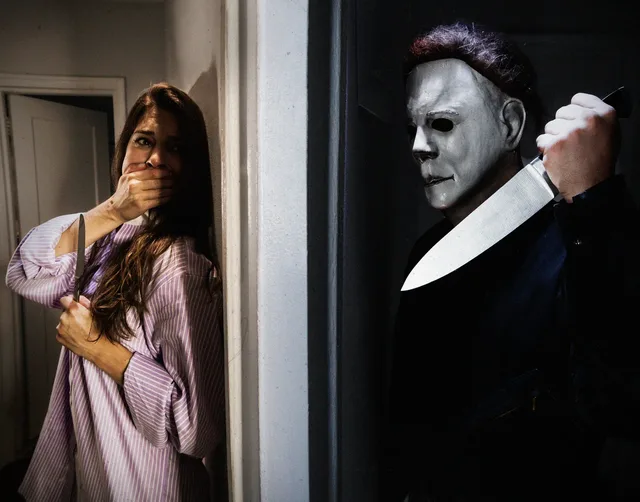
According to Wikipedia, the 1970s herald in extreme horror that is frequently cited as the beginning of the film subgenre, including *Last House on the Left* (1972), *Salò, or the 120 Days of Sodom* (1975), and *I Spit on Your Grave* (1978).
This era moved the genre away from gothic monsters and toward more visceral, unsettling human elements. This shift changed how audiences reacted, moving from mere startled responses to deeper psychological discomfort. The movement toward extreme horror redefined the limits of cinematic tension.
How can filmmakers use technical steps for suspense?
A director stands behind a monitor, checking the grain density of a newly processed shot. To implement dramatic storytelling through technical means, filmmakers often follow a specific workflow to ensure the visual language matches the intended fear.
- Select a physical medium, such as 35 mm film, to capture the initial footage. 2. Transfer the footage to a laboratory for specialized processing or digital manipulation. 3. Apply specific visual effects, such as adding a "grainy" texture via computer, to achieve the desired aesthetic.
After completing these steps, a final check of the visual consistency is required to ensure the effect is seamless. I have seen how these subtle changes in texture can completely alter the mood of a scene.
This process ensures that the visual grain feels like a natural part of the film's world rather than a digital overlay.
| Film Element | Technical Method | Visual Result |
|---|---|---|
| Cursed Tape | 35 mm film + computer | Grainy effect |
| Extreme Horror | Subgenre development | Visceral content |
- Establish a sense of isolation through wide shots.
- Build tension using rhythmic, low-frequency sound design.
- Execute a sudden jump scare with rapid visual cuts.
In this sequence, the second step is the longest.
What are the regional variations in film production?

A producer looks at a map of the world, noting the high density of film studios in specific territories. While horror is a global phenomenon, the volume and type of production can vary significantly by region. Some countries have established themselves as prolific creators of feature-length content.
New Zealand serves as an interesting case study in film production volume. By 2005, New Zealand had produced around 190 feature films, with about 88% of them being made after 1976. This high percentage of recent production reflects a sustained period of cinematic activity.
While these figures show a robust industry, it is important to note that the specific genre breakdown for these films is not established. The concentration of production in certain eras can influence the stylistic trends seen in regional cinema.
Related



Comments 0