Period drama immersion details: How creators achieve depth
"The magic of a period piece lies not in the grand sweeping vistas, but in the texture of a lace cuff or the deliberate weight of a heavy wooden chair."
True immersion in period drama immersion details is achieved through the meticulous synchronization of visual authenticity and emotional resonance. This process requires a balance of costume precision, set design, and historical nuance to transport an audience to a different era.
This guide explores how creators achieve this depth, the importance of tactile accuracy, and the limitations of visual storytelling when dealing with fragmented historical records.
How do creators achieve period drama immersion details?

At dusk in the dusty studio, the designer runs a hand over the rough linen to ensure every period detail feels authentic.
A director walks through a dimly lit studio, adjusting the placement of a single brass lamp to ensure the shadows fall exactly as they would in 1920.
Achieving this level of immersion requires more than just expensive props; it demands an understanding of the social and technological constraints of the specific time being portrayed.
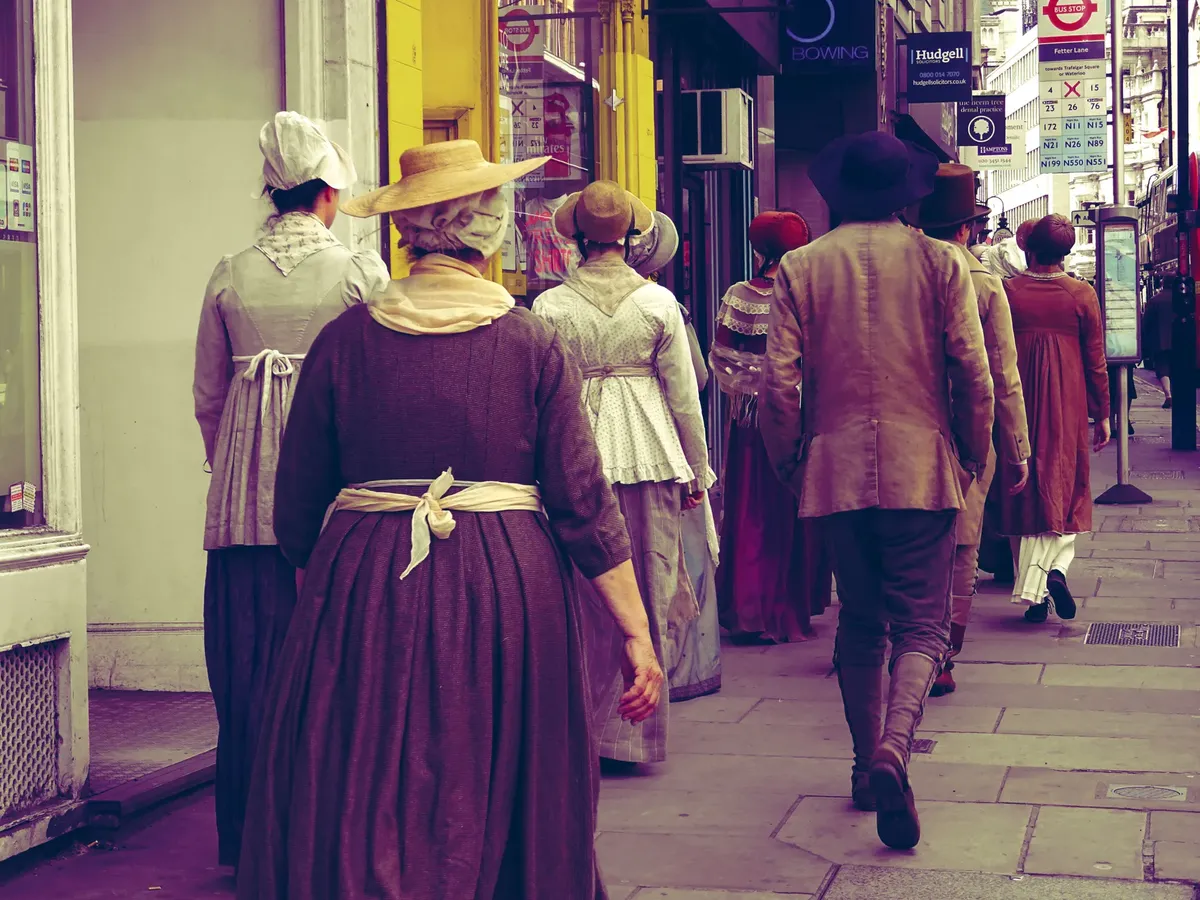
Costume detail in period films serves as a primary tool for character development and social signaling. A single incorrect button or an anachronistic fabric can break the spell for a discerning viewer.
Designers must consider how clothing reflects the class, occupation, and even the physical movement of the characters within their specific social hierarchy.
Set design historical accuracy involves more than just placing furniture in a room; it requires an understanding of the architectural soul of an era. The proportions of a window or the specific grain of a tabletop can tell a story about the wealth or the austerity of a household.
When the environment feels lived-in, the audience accepts the reality of the world.
Historical accuracy in dramas is often a negotiation between truth and visual storytelling. While creators strive for precision, they must also ensure the elements serve the narrative arc.
This tension between being "correct" and being "cinematic" is where the most successful period pieces find their footing, using visual cues to guide the viewer's emotional response without being distracting.
- Researching specific era-appropriate materials.
- Sourcing authentic vintage props.
- Coordinating color palettes with historical pigments.
How much does touch matter in a story? A stylist runs their fingers over a heavy wool coat, feeling the coarseness that would have been common in a rural 19th-century setting. This tactile awareness is essential because the audience perceives the "weight" of history through the screen.
Boosting immersion in period pieces often depends on the perceived texture of the world. If a character's clothing looks too new or the furniture looks too polished, the sense of time is lost.
The subtle wear on a leather chair or the fraying of a sleeve provides a sense of history that dialogue alone cannot convey.
I remember sitting in a darkened theater, watching a scene where a character simply sat at a desk. The way the light caught the dust motes in the air and the slight creak of the wooden chair made the era feel tangible, almost as if I could reach out and touch the grain of the wood.
| Element | Focus Area | Narrative Purpose |
|---|---|---|
| Costume | Fabric texture and silhouette | Social status and character movement |
| Set Design | Architectural proportions and patina | Environmental storytelling and era grounding |
In this sequence, the second step is the most extensive.
Can visuals show who's in charge? An actor stands in a crowded ballroom, their posture dictated by the rigid structure of a corset and the heavy layers of a Victorian gown. The physical constraints of the clothing dictate how the character moves, speaks, and interacts with others.
The relationship between costume and character is deeply rooted in the social structures of the past. A character's status is often immediately recognizable through the quality of their lace or the specific cut of their suit.
This visual shorthand allows the audience to understand complex social dynamics without needing heavy exposition.
In many successful productions, the evolution of a character is tracked through their wardrobe. A shift from bright, expensive fabrics to muted, worn tones can signal a change in fortune or a loss of innocence. This visual progression keeps the audience engaged with the character's internal journey.
How does set design ground the narrative?
A production designer carefully selects a heavy oak table to serve as the centerpiece of a dining room, knowing its bulk will anchor the entire scene. The furniture is not just a prop; it is a structural element of the story's world.
The environment provides the context in which the drama unfolds. A cramped, dimly lit apartment conveys a different reality than a sprawling, sun-drenched estate. The scale of the rooms and the density of the objects within them establish the emotional temperature of the scene.
When the setting is consistent with the period, it creates a "silent" narrative. The objects within a room—a specific type of inkwell, a certain style of rug, or the way a door hinges—act as anchors to the past.
This consistency prevents the viewer from being pulled out of the story by modern sensibilities.
What are the challenges of maintaining historical truth?
A researcher pores over old photographs, comparing the shape of a hat to the one being used on the movie set. The struggle to find perfect matches for every item is a constant challenge in high-budget productions.
One of the primary challenges is the availability of authentic materials. Finding period-accurate textiles or furniture that can withstand the rigors of filming can be difficult and expensive.

Additionally, creators must balance the need for accuracy with the practicalities of modern filming technology, such as lighting and camera movement.
Sometimes, the "truth" of a period is more about the feeling of the era than a literal transcription of every detail. A complete adherence to historical fact can sometimes lead to a sterile or visually uninteresting result.
The goal is often to capture the essence of the time while maintaining a compelling visual language.
The subject here is Period drama immersion details.
This part also covers How costume detail affects viewing.
This part also covers Set design and historical truth.
This part also covers Visual elements for drama depth.
Related






Comments 0