Genre Conventions Guide Yoo Ah-in movie genre story
"The structure of a masterpiece often rests on the delicate balance between genre expectations and narrative innovation."
Understanding the relationship between genre and storytelling is essential for analyzing cinematic success. This guide explores how specific genre frameworks shape plot development and audience engagement.
Key takeaways include the importance of genre conventions, the impact of structural integrity on emotional resonance, and how historical rankings reflect these artistic choices.
How do genre conventions shape a movie's identity?

At midnight in the dim studio, she squinted at the flickering screen to decide if the lighting perfectly captured the dark mood of the horror genre.
A director adjusts the lighting and tone as they prepare to film a scene that defines a specific genre. The initial setup of a film often establishes the rules that the audience must follow to understand the stakes.
Genre serves as a foundational blueprint that dictates the pacing and emotional beats of a story. By adhering to or subverting established tropes, filmmakers can guide the viewer's expectations and create meaningful tension.
For example, a science fiction setting allows for explorations of human nature through speculative technology, while a drama focuses on interpersonal conflict.
The success of a film often depends on how effectively it utilizes these genre-specific tools. A well-defined genre helps the audience navigate the world being presented on screen.
This familiarity allows for more complex character development because the basic rules of the universe are already understood.
In this sequence, the first point is the most fundamental.
How do structure and genre drive a movie's success?
While sitting at the cluttered desk during the dawn, he gripped his pen tightly to ensure the structure matched the intense energy of the thriller genre. A writer sits at a desk, rearranging plot points to ensure the climax hits with maximum impact. The structure serves as the skeleton that holds the genre's flesh in place.
The interplay between genre and story structure is a primary driver of viewer engagement. While genre provides the setting and tone, the structure provides the movement and progression.
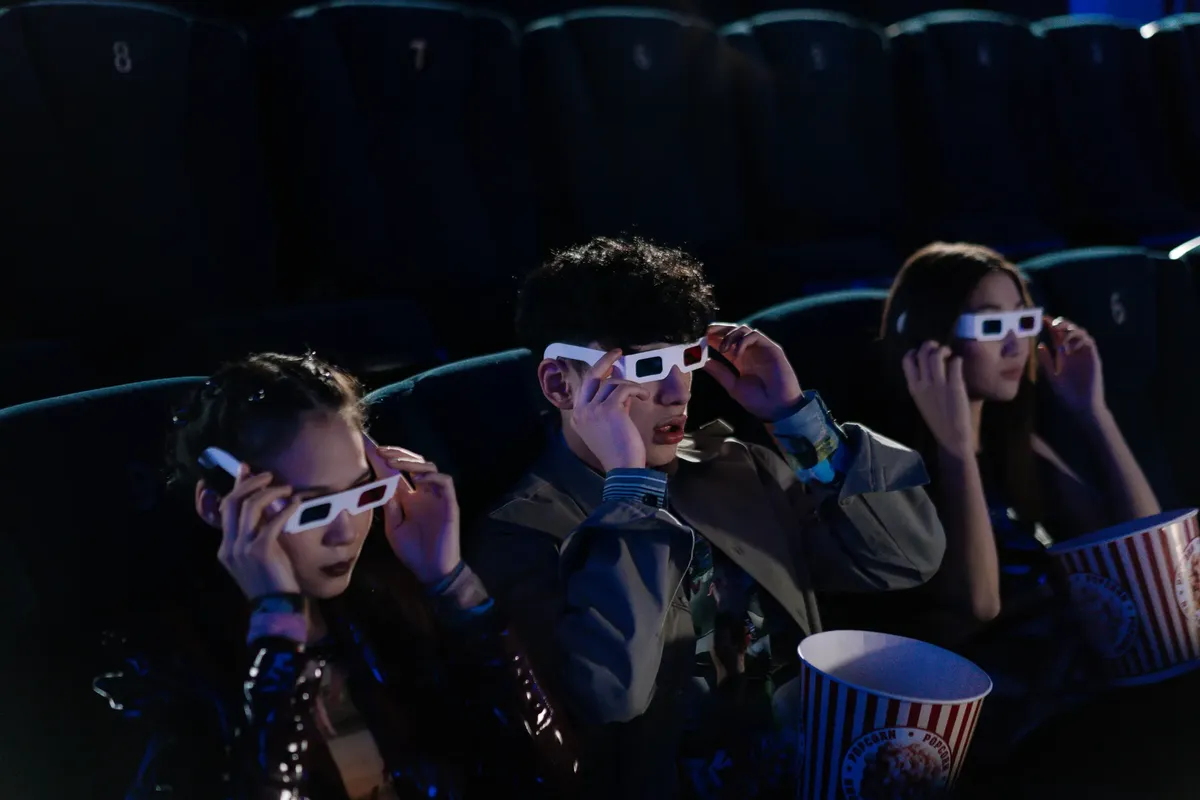
A strong structure ensures that the thematic elements of a genre are explored thoroughly, moving from setup to confrontation and finally to resolution.
When a film successfully marries its genre with a tight structure, it can achieve lasting cultural significance. This synergy often leads to critical acclaim and longevity.
Analyzing how different films handle these elements provides insight into why some stories resonate for decades while others fade quickly.
How can we compare different types of cinematic achievements?
A researcher compares various lists of celebrated films to find patterns in critical popularity. The diversity of genres represented in historical rankings shows the broad spectrum of storytelling.
| Category | Recognition Example |
|---|---|
| Animation | Toy Story (1995) was voted number 1 on the "Top 100 Animated Features of All Time" list by the Online Film Critics Society in 2003. |
| Science Fiction | It was voted the best science fiction film of all time by 115 members of the Online Film Critics Society in 2002. |
Comparing these different types of accolades reveals how genre-specific excellence is recognized by experts. The ability to dominate a specific category often requires a perfect alignment of genre and structure.
How do I analyze a film's genre and structure? A viewer takes notes while watching a film, marking the moments where the plot shifts. Following a systematic approach helps in breaking down complex narratives.
To conduct a thorough analysis of a film's genre and structure, follow these steps:

- Identify the primary and secondary genres to understand the tonal boundaries. 2. Map the narrative arc to see how the plot points align with genre expectations. 3. Examine how character motivations drive the plot forward within the established setting.
After completing these steps, perform a final check to see if the genre elements influenced the emotional climax. This process helps in understanding the mechanics behind the storytelling.
- Identify the core genre tropes present in the narrative.
- Examine how the story structure supports or subverts these tropes.
- Evaluate the emotional impact of the genre-driven pacing.
Does genre influence the way critics rank films?
A critic reviews a film, weighing its technical merits against its emotional impact. Professional evaluations often focus on how a film handles its specific genre requirements.
As reported by the Brazilian Film Critics Association, it is ranked number 1 on the Brazilian Film Critics Association's list of the top 100 Brazilian films, voted by its 100 members in 2015.
Critical rankings often reflect how a film masters its chosen genre. For instance, the British Film Institute conducted a 2016 poll of more than 100 critics, filmmakers, programmers, writers, curators, and academics, where Carol (2015) was ranked as the top LGBT film.
Such specialized rankings highlight how genre-specific mastery can lead to significant critical recognition.
These evaluations demonstrate that genre is not just a label but a field of artistic competition. Experts look for innovation within the constraints of the genre. A film that redefines its genre through unique structural choices often climbs to the top of these professional lists.
What are the limitations of genre analysis?

A student looks at a list of classic films, noting that not every masterpiece fits into a single category. Limitations arise when a film defies easy classification.
A limitation of this analysis is that it may not account for films that blend multiple genres in ways that defy standard categorization.
For example, the Brazilian Film Critics Association's 2015 list included the top 100 Brazilian films, where one film was ranked number 1 after being voted by 100 members. Such diverse excellence shows that while genre is a useful tool, it is not the only measure of a film's greatness.
Related
- Possible Love 9.0: Best guide to modern contemplative cinema
- Yoo Ah-in film cast analysis: Best guide to role development
When does the structure of a masterpiece become apparent?
The structure of a masterpiece reveals itself when the narrative successfully balances recognizable genre elements with unexpected narrative innovation. This balance allows the audience to feel both comfortable within the familiar framework and engaged by the novel approach.
A film achieves this resonance when its structural choices amplify the inherent possibilities of its chosen genre.
The progression of the story demonstrates this interplay; the established genre provides the initial parameters that the story then pushes against. When the structure supports a genre's core themes while introducing a fresh perspective, the resulting work achieves a higher level of artistic merit.
This synergy is what elevates a good film into a true masterpiece.
How does innovation affect the perception of genre?
Narrative innovation challenges the accepted boundaries of a genre, forcing the audience to re-evaluate established conventions. When a filmmaker introduces a significant structural deviation, the audience must adapt their expectations alongside the characters.
This adaptation is a key component of the viewing experience.
The tension between genre expectations and narrative innovation is what defines a complex cinematic achievement. A film that adheres too rigidly to genre rules might feel predictable, whereas one that innovates too wildly might lose audience connection.
The successful masterpiece navigates this tightrope walk.
The impact of this innovation on the perception of genre is profound because it suggests that the genre itself is not a rigid cage but a starting point. Filmmakers use the genre's known rules as a baseline from which to launch their creative departures.
This allows for deeper thematic exploration within the established boundaries of the structure.





Comments 0