Matchbox The Movie 35mm film: Guide to visual impact
"It was really important because they were filming on 35mm."
The Matchbox The Movie 35mm film approach provides a tactile, organic texture that digital sensors often struggle to replicate. This specific cinematography choice emphasizes grain and light depth to ground the action-comedy in a more classic cinematic reality.
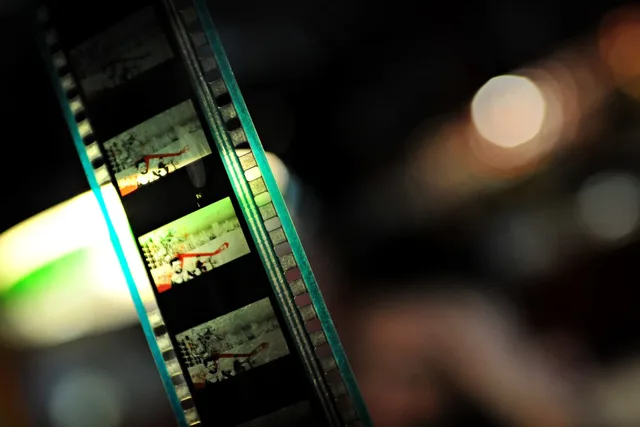
This guide explores the visual impact of this format, how it differs from digital, and the technical constraints of using traditional film stock. 1. Tactile grain texture that enhances visual depth 2. Authentic color rendering through chemical processes 3. Specific lighting responses unique to 35mm stock * A cinematic bridge between modern action and classic film aesthetics
Why use Matchbox film visual style?
At sunset, the cinematographer gripped the heavy camera on the dusty set while feeling the grit of the Matchbox film visual style through the textured grain.
A cinematographer adjusts the heavy camera rig on a dusty set, feeling the mechanical click of the film advancing through the gate. The Matchbox film visual style relies on the physical properties of silver halide crystals to catch light.
This creates a natural grain that moves with the image, preventing the "too clean" look of digital video.
This choice ensures that every frame carries a sense of weight and history. The Matchbox film visual style allows for a specific type of shadow depth that defines the genre.
It provides a textured backdrop for high-speed movement.
How do 35mm cinematography effects change the mood?
At midnight, the editor squinted in the dim studio as the flickering light of the matchbox grain danced against their eyes.
An editor sits in a dark room, watching the flickering light of a projection dance across the screen. The 35mm cinematography effects introduce a rhythmic quality to the motion.
Because film captures light in a continuous chemical reaction, the transitions between colors feel more fluid and less stepped than digital pixels.
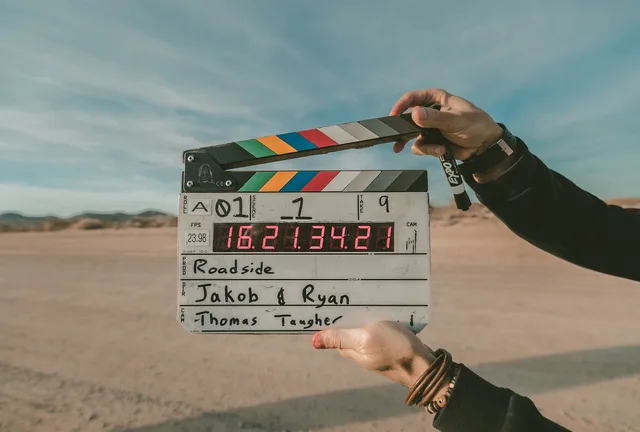
The 35mm cinematography effects contribute to the gritty atmosphere required for an action-comedy. This method captures subtle shifts in skin tones and environmental lighting. When the camera pans across a wide landscape, the grain provides a sense of scale.
This texture helps the audience feel more immersed in the physical space of the story.
Does the look of Matchbox depend on grain?
A director points toward a sun-drenched street, requesting more contrast to make the colors pop against the pavement. The Matchbox action comedy look is heavily influenced by the organic imperfections of the medium.
While digital images aim for mathematical perfection, this filmic approach embraces the "noise" of the grain to add energy.
The Matchbox action comedy look utilizes the high dynamic range inherent in chemical film. This allows for bright highlights and deep shadows to coexist without losing detail. I noticed how the light seemed to wrap around the actors' faces during the high-speed chase scenes.
This specific visual language separates the film from standard digital productions.
What is the film texture of Matchbox like?
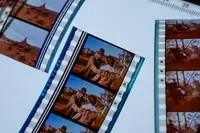
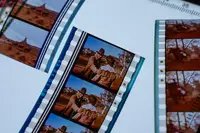
A technician carefully cleans a strip of celluloid, ensuring no dust interferes with the projection. The Matchbox movie film texture is characterized by its organic, non-linear response to light. Unlike the rigid grid of a digital sensor, the texture of 35mm is unpredictable and alive.
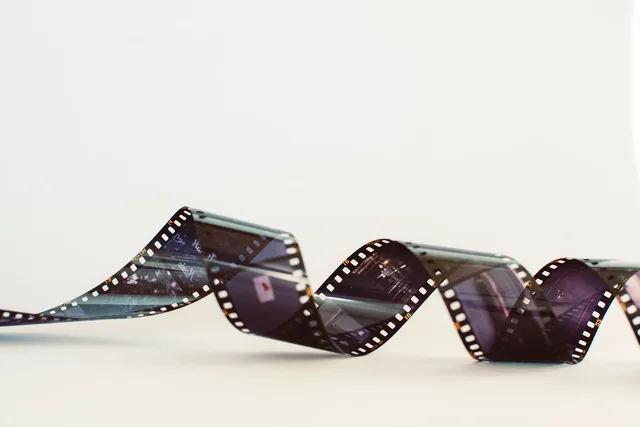
The Matchbox movie film texture provides a layer of visual complexity that serves the narrative. This texture softens harsh edges while maintaining sharp focus on key subjects. It creates a sense of nostalgia even within a modern setting.
The texture acts as a visual signature that defines the film's aesthetic identity.
Analyzing 35mm film in action comedy
A stunt coordinator watches a car drift through a narrow alleyway, checking the lighting for the next take. Implementing 35mm film in action comedy requires careful planning of light intensity and camera movement. The physical bulk of the equipment dictates a more deliberate style of filmmaking.
- Calibrate lighting levels to account for the specific ISO of the film stock. 2. Ensure camera movement is smooth to prevent excessive grain jitter during high-speed action. 3. Perform frequent gate checks to prevent physical debris from marking the film.
After completing these steps, a final check of the dailies ensures the chemical exposure meets the director's vision. Using 35mm film in action comedy creates a unique bridge between old-school grit and modern pacing.
Comparing film formats
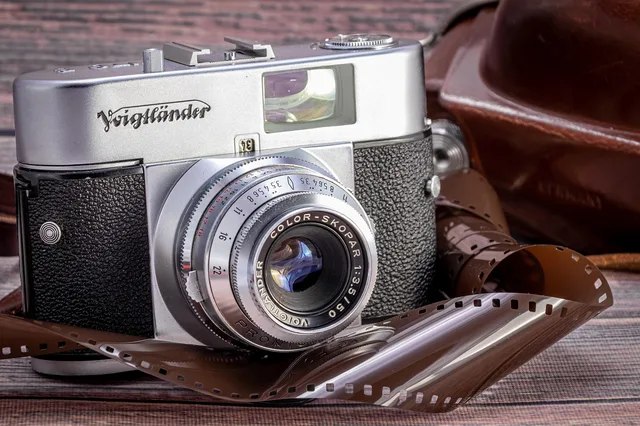
A projectionist compares two different canisters, noting the weight and physical properties of each. While modern cinema often relies on digital, the choice between formats changes the viewer's sensory experience.
According to The Film Foundation, Scorsese had been at the forefront in film preservation and restoration ever since 1990, when he created The Film Foundation, a non-profit film organization which collaborates with film studios to restore prints of old or damaged films.
| Format | Visual Characteristic |
|---|---|
| 35mm Film | Organic grain and chemical depth |
| Digital | Mathematical precision and clean edges |
I found that the comparison between these two methods highlights why traditional film remains a prestigious choice for specific directors.
Related
- How do the main figures personality traits manifest?
- Nuclear warhead Friends Meet After Twenty Eight Years guide
How does the physical nature of 35mm influence the creative process?
- The physical bulk of the camera rig necessitates a more deliberate style of filmmaking during capture. 2. The chemical reaction inherent in film dictates a continuous light capture, contrasting with digital stepping. 3. The tactile grain texture provides a natural element that digital sensors often fail to replicate accurately.
This physical constraint means that the cinematographer must approach the set with a heightened awareness of the equipment's limitations. The Matchbox film visual style demands that the director consider the mechanics of the film advance itself, which contributes to the overall feel.
It was really important because they were filming on 35mm, and this reality shapes every decision made on set.
When comparing the two methods, the organic response of the film stock means that the resulting image possesses a depth that mathematical precision cannot achieve. The texture itself becomes a narrative component, adding weight to the action sequences.
What are the practical limitations of film stock?
The Matchbox movie film texture is subject to the physical constraints of the celluloid itself. These limitations require careful pre-production planning to mitigate potential visual flaws. A technician must ensure the celluloid remains free from any contaminants before shooting.
The chemical processes involved in rendering color are inherently less predictable than digital algorithms, which is a condition that the director must accept. This unpredictability is what gives the film its unique, alive quality, even if it introduces slight variations.
It was really important because they were filming on 35mm, and that means adhering to these established physical rules.
When reviewing the dailies, one must always consider the chemical exposure against the desired aesthetic, a caution that is more pronounced with film than with digital capture.



Comments 0