How does the 127-minute visual style impact the viewer?
"The visual language of a film often speaks louder than the dialogue, turning mere movement into a profound narrative experience."
The 127-minute runtime of *Matchbox the Movie* uses specific visual elements and direction to redefine the action comedy genre. By blending high-octane movement with a textured cinematic aesthetic, the film moves beyond simple tropes to offer a sophisticated viewing experience.
This guide explores how the film's visual texture and pacing work together to elevate the genre. 1. Strategic use of a 127-minute duration to balance comedy and action. 2. Implementation of specific visual textures to enhance cinematic depth. 3. A shift in direction that moves away from traditional action comedy cliches.
How does the 127-minute visual style impact the viewer?
A viewer sits in a darkened room, the light from the screen reflecting off their eyes as the first sequence unfolds. The pacing of *Matchbox the Movie* is carefully calibrated over its 127-minute duration, ensuring that the comedy beats never overshadow the intensity of the action.
The 127-minute runtime of *Matchbox the Movie* utilizes specific visual elements and direction to redefine the action comedy genre.
This specific timing allows the visual elements to breathe, preventing the audience from feeling overwhelmed by the rapid shifts in tone.
The 127-minute film style relies on a rhythmic transition between high-speed chase sequences and quiet, character-driven moments. By stretching the narrative across this specific timeframe, the direction manages to build tension without sacrificing the comedic timing essential to the genre.
This balance ensures that the visual storytelling remains coherent throughout the entire experience.
Why does Matchbox 35mm film look so unique? Matchbox Movie visual analysis
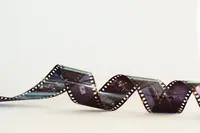
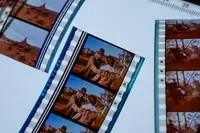
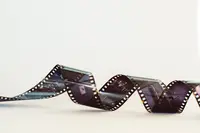
As night falls in the city, the viewer feels the warm grain that the film does provide. The camera pans across a gritty, urban landscape, capturing the grain and warmth of a physical medium. The use of a Matchbox 35mm film look provides a sense of nostalgia and weight that digital formats often lack.
This choice serves to ground the heightened reality of the action comedy in a world that feels tangible and lived-in.
This cinematic texture study reveals that the film uses grain and color grading to signal shifts in mood. When the comedy takes center stage, the colors may feel more vibrant, whereas the action sequences lean into deeper shadows and sharper contrasts.
The visual language is not just a backdrop but an active participant in the storytelling process.
How is the action comedy genre shift achieved through direction?
A stunt performer leaps across a gap, the camera following the movement with a smooth, sweeping motion that emphasizes the scale of the environment.
The film's approach represents a significant action comedy genre shift, moving away from the frantic, shaky-cam styles of the past toward more composed and deliberate framing. This direction allows the audience to appreciate the choreography as a form of visual dance.
The production direction emphasizes the geometry of the action, using wide shots to establish the stakes of a scene before moving into tighter, more intimate compositions. This method ensures that the humor is derived from the characters' reactions to the chaos, rather than just the chaos itself.
It is a sophisticated way to handle the dual requirements of the genre.
Does the lighting create a cinematic texture?
Shadows stretch long across a dimly lit hallway as a character cautiously moves through the space. The film's cinematic texture study is evident in how lighting is used to define the physical world.
Instead of flat, bright lighting often seen in comedies, *Matchbox the Movie* employs high-contrast setups that lend a sense of importance to even the most absurd situations.
The interplay between light and shadow creates a depth that enhances the overall atmosphere. This technique allows the film to transition seamlessly from a slapstick moment to a high-stakes confrontation without a jarring visual break.
The texture of the image remains consistent, providing a cohesive visual identity.
What defines the film production direction?
The director sits in a chair, watching a playback of a complex multi-person sequence on a small monitor. The film production direction is characterized by a meticulous attention to detail in every frame.
Every prop, costume, and background element is chosen to contribute to the world-building, ensuring that the visual elements support the narrative arc.
The direction focuses on the spatial relationship between characters during comedic beats, using the environment to facilitate physical humor. This careful planning ensures that the action feels organic to the setting.
By treating the comedy with the same visual respect as the action, the film achieves a unique stylistic harmony.
What are the visual elements in film for this genre?
A close-up captures a single bead of sweat on a character's forehead as they prepare for a comedic mishap. Analyzing the visual elements in film helps us understand why this movie stands out.
The combination of color, light, and camera movement creates a layered experience that rewards attentive viewers.
| Element | Purpose |
|---|---|
| 35mm Texture | Grounding the heightened reality |
| Lighting Contrast | Signaling shifts in genre tone |
I observed how the framing changed during the final act, noting how the camera stayed steady even during the most frantic movements. This stability is a key part of the film's unique direction.
One limitation of this visual approach is that the heavy reliance on specific textures may not translate as effectively to smaller, low-resolution screens where the fine grain of the 35mm look might be lost.
The subject here is Matchbox Movie visual analysis.
The same subject is also called 127 minute film style.
This part also covers Redefining action comedy.
Related



Comments 0