Here are 5 key factors to consider when evaluating the quality of soju:
In Korean movies, the phrase "a bottle of soju" often appears. However, soju is more than just a simple alcoholic beverage. Unlike beer, which has a straightforward flavor profile, soju allows for nuanced quality comparisons. While everyone may have experienced the difference in quality based on price, why is some soju smooth while others are harsh and have a bitter aftertaste? This article aims to convey that understanding the quality standards of soju can lead to a more profound experience, rather than simply being a matter of personal preference. We're breaking down the key elements to help you distinguish quality, providing practical checkpoints for evaluation.
1. Purity of Raw Materials
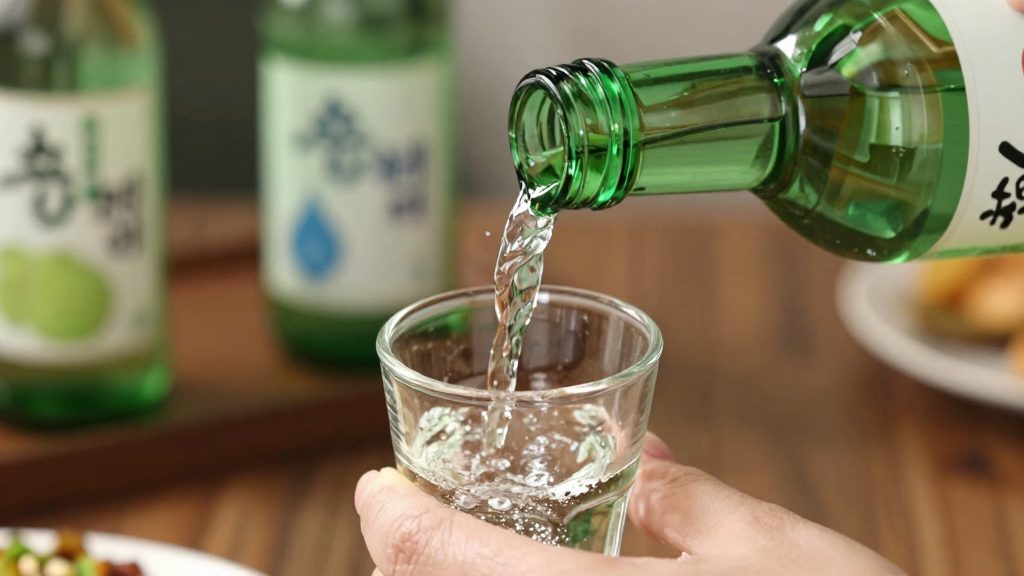
Soju is typically made from one of three ingredients: sweet potato, barley, or rice. While sweet potato soju is traditionally popular, the purity of the raw materials directly impacts quality during the manufacturing process. Premium soju uses refined sweet potato, which affects the starch purity and fermentation efficiency. In contrast, lower-priced products often contain impurities in the raw materials, leading to more byproducts (other than ethanol) during fermentation, resulting in a harsh aftertaste. The better the quality of the raw materials, the cleaner and more refined the aroma compounds produced during fermentation.
2. Number of Distillation Cycles and Purity
Generally, soju undergoes single distillation, prioritizing production cost over quality. However, multiple distillations (two or more) involve increasing the alcohol concentration while removing impurities. This results in a smoother and cleaner taste, even at higher concentrations. However, excessive distillation can strip away the flavor compounds, so two to three distillations are typically used in most soju brands, striking a balance. The key for premium products is that they often undergo this intermediate level of distillation.
3. Fermentation Time and Temperature Control
The flavor of soju is determined during the fermentation process. Long-term, low-temperature fermentation not only produces alcohol but also creates subtle aroma compounds (esters). This contributes to a smoother taste and a cleaner aftertaste. Conversely, short-term, high-temperature fermentation can quickly increase alcohol concentration but also produce more byproducts, leading to a harsh aftertaste. Premium soju typically undergoes fermentation for at least 3 days, with strict temperature control throughout the process. Even slight variations in fermentation time and temperature can significantly impact quality.
4. Appropriate Alcohol Concentration Range
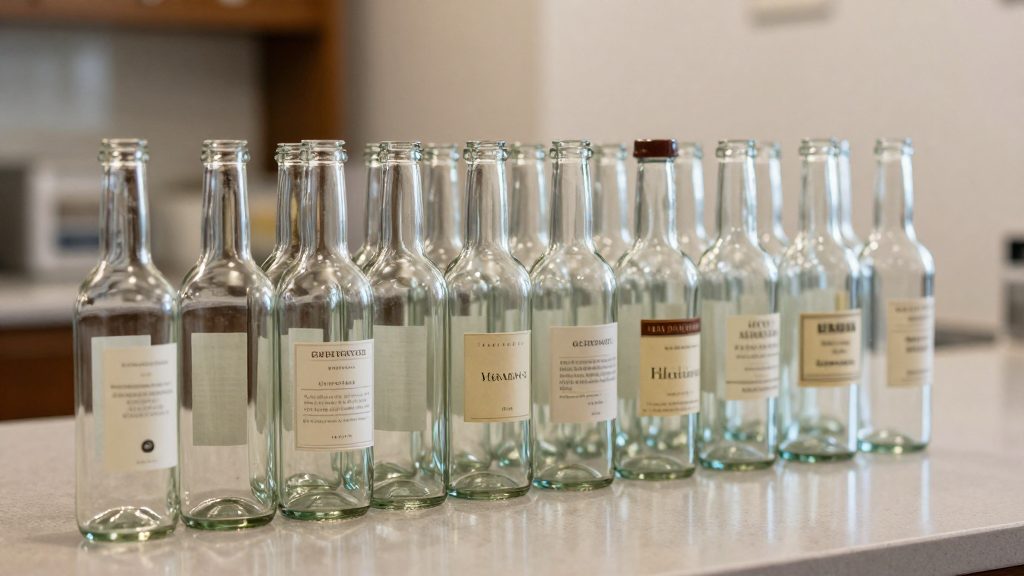
The alcohol concentration typically used in soju is between 19% and 25%. Within this range, the quality is generally well-balanced. Lower concentrations may not be perceived as "alcohol," while higher concentrations can be too harsh and create a lingering sensation in the mouth. Products within the range of 20% to 23% are often preferred by soju enthusiasts. This level is suitable for drinking as a beverage and pairs well with food, even if the quality isn't exceptional. However, higher concentrations increase the risk of overconsumption, so those who drink soju frequently should choose options within this range for safety.
5. "Cleanliness" of the Aftertaste
The most immediate indicator of soju quality is the purity of the aftertaste. Good soju leaves a "clean and clear" sensation. In contrast, lower-quality products may leave a bitter taste, a metallic aftertaste, or an overly strong alcohol sensation. This indicates that impurities were not adequately removed during fermentation or purification. The easiest way to test the aftertaste is to take a sip and look in the mirror 10 seconds later. A clean soju will feel like "water," with no bitter taste and a naturally disappearing aftertaste.
6. Appearance of the Bottle and Label Information
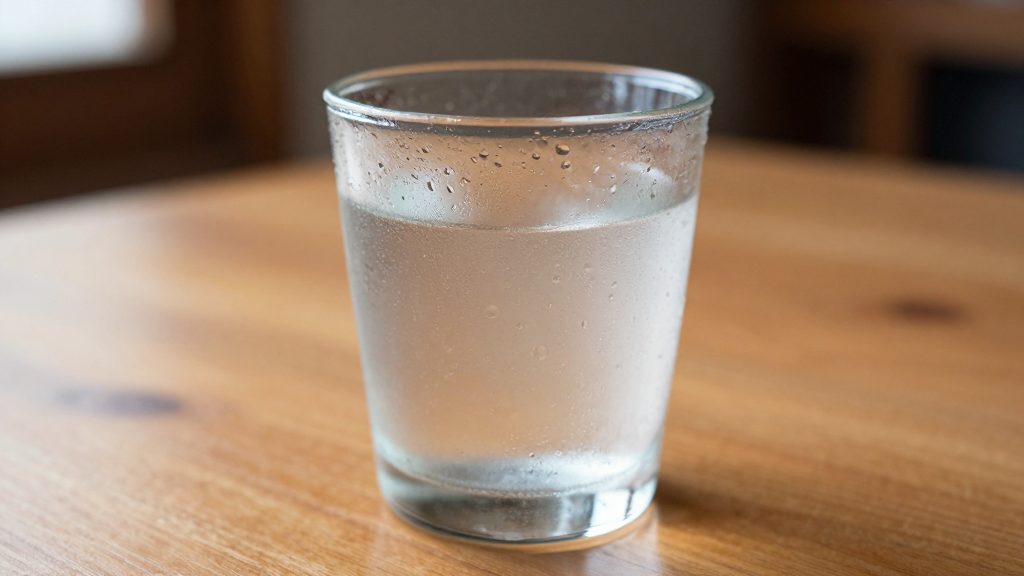
The appearance of the bottle is not directly related to quality. However, the clarity and completeness of the label information, including the manufacturing date, are indicators of trustworthiness. High-quality products clearly state the manufacturing date, expiration date, and ingredients. Conversely, products with vague or incomplete labeling may be of questionable origin or have been produced a long time ago. While bottles with a thick, glossy texture may be perceived as higher quality, this is purely aesthetic. The key is to look for phrases like "domestic soju" or "meets refined quality standards" on the label.
7. Harmony with Food
Soju is more than just an alcoholic beverage; it's a "food pairing tool." Premium soju pairs well with spicy foods, stir-fries, and fried dishes. This is because the alcohol concentration and flavor profile are well-balanced. In contrast, lower-quality soju can either overpower the taste of the food or clash with its saltiness. High-quality soju, when paired with food, complements the flavors and can even improve the aftertaste. This allows you to transition from simply "consuming" soju to experiencing it as a "selective flavor pairing."
Soju is not just a simple alcoholic beverage. The quality is determined by meticulous elements, from the raw materials to the manufacturing process and even the aftertaste. By using these 5 checkpoints, you can elevate your soju experience from simple consumption to a journey of flavor exploration. Everyone can apply these criteria, so next time you're choosing a bottle of soju, ask yourself, "Why might this soju be the right choice for me?"
Related posts

What animated movies should you watch in theaters? Here's a guide to choosing the best ones of 2024.
Here are 5 common mistakes to avoid when booking movie tickets:
How to Enhance Your Movie-Watching Experience Threefold with a Bottle of Soju (Based on Practical Reviews).

How a bottle of soju can change the quality of a movie review.
Popular posts
What animated movies should you watch in theaters? Here's a guide to choosing the best ones of 2024.
Here are 5 common mistakes to avoid when booking movie tickets:
How to Enhance Your Movie-Watching Experience Threefold with a Bottle of Soju (Based on Practical Reviews).
Comments 0